
In this article
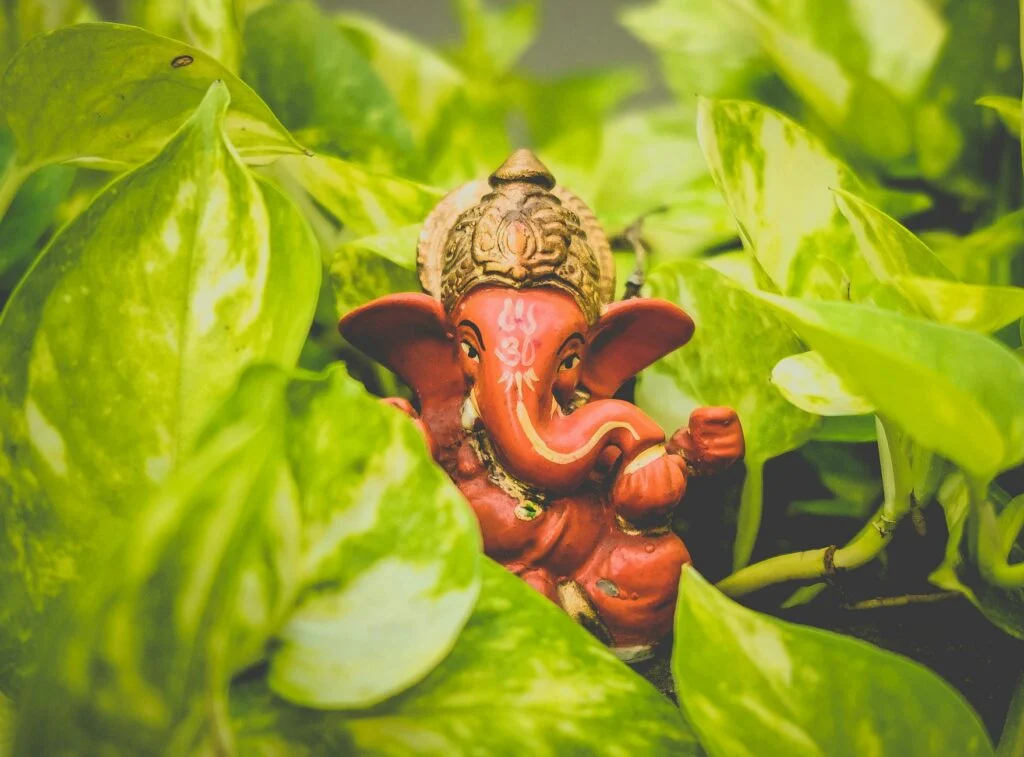
Ganesh Chaturthi welcomes Ganesha with affection: a carefully prepared place, flowers, prayers, devotional singing and food offered before it is shared. Devotees honour him as the elephant-headed Lord associated with wisdom and the removal of obstacles. In a home or public pandal, the celebration can feel like receiving a beloved guest.
The date and the celebration are different
The annual festival falls on Chaturthi, the fourth lunar day, in the bright fortnight of Bhadrapada. A tithi is a lunar calendar unit; its observance is not the same as a universal start-and-end range for every celebration.
Drik Panchang’s festival guide distinguishes the Chaturthi observance from the extended worship concluding on Anant Chaturdashi. Households may keep Ganesha for different customary lengths, and temple festival schedules can follow their own programme.
A concrete local example makes the difference clear. Sri Maha Vallabha Ganapati Devasthanam in Flushing, New York, identified September 14, 2026 as its Ganesha Chaturthi day, within celebrations announced for September 11–20. The temple’s multi-day programme and the Chaturthi date describe different aspects of the event.
For another year or location, consult the local temple or a panchang set to that place. A copied date table can easily confuse the main observance, installation period and final immersion.
Welcoming Ganesha
Families and public organizers may install a temporary image, or murti, for worship. Prana pratishtha is an invocation of the deity’s presence; more elaborate programmes include formal sequences of offerings. The Hindu American Foundation’s festival explanation describes installation, daily worship and farewell.
The degree of ritual detail varies. A reader beginning at home should follow family or community guidance rather than assume that every ceremony requires the same materials or expertise. The emphasis can remain on attentive, sincere worship.
Offerings and shared celebration
Modak, a sweet associated with Ganesha, is a familiar festive offering. Fruit, flowers, prayers and songs also belong to many celebrations. Prasad is food received after offering, shared as a blessing.
A home celebration may be quiet and intimate, while a public pandal, a temporary festival setting, gathers a wider community. Neither size nor expense measures devotion. Guests can ask about footwear, photography and the moment for receiving prasad.
What visarjan means
Visarjan is the ceremonial farewell, commonly associated with immersion of the temporary image. The transition from welcome to farewell can express both affection and an awareness that the festival form is temporary. Many large celebrations culminate on Anant Chaturdashi; not every household waits until that day.
Follow the local arrangements for immersion, including designated facilities and collection of decorations. Planning the farewell before bringing an image home helps keep devotional intention and care for shared water and public space together.
A celebration with attention
Begin by confirming which event you plan to attend: the Chaturthi puja, a continuing temple programme or a public procession. Read the organizer’s schedule rather than relying on a generic “ten-day festival” label.
What endures is the quality of welcome, prayer and companionship. For more paths into festival meaning and practice, visit Explore Hindu Culture.